
He Promised a Grieving Stranger She Would See Her Daughter Again

She had been in the intensive care unit for weeks, and she would not look anyone in the eye. The chaplain came by every day anyway. He never pushed. He just offered a thought, a prayer, a few minutes of company, and most days she told him no. Then one afternoon she said yes, and he told her a story about Jonah and a great fish.
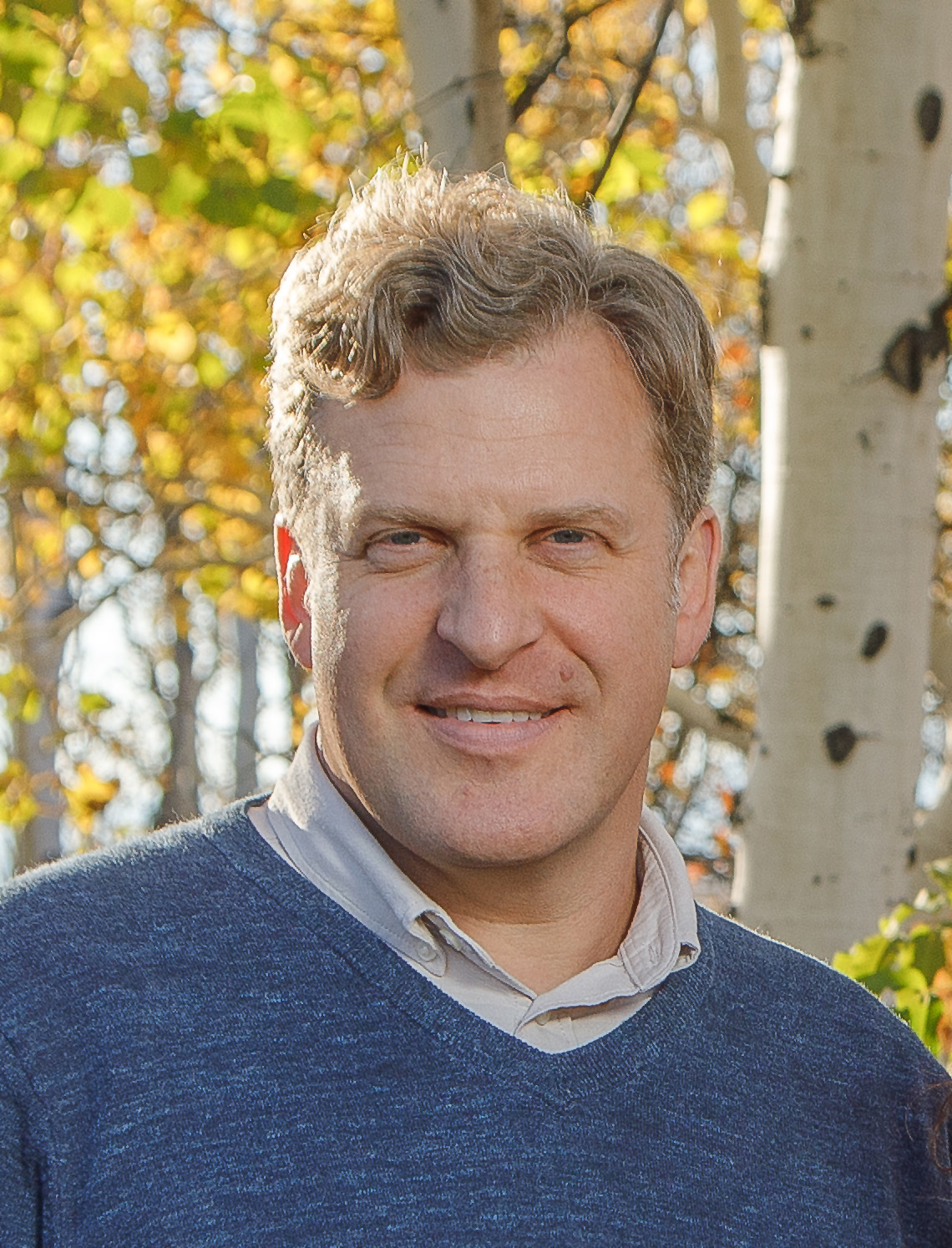
The chaplain was Dr. Justin Top, a Navy chaplain and counseling psychologist who now teaches religious education at Brigham Young University. He has spent his career in the rooms where people meet the hardest parts of life, combat zones, hospice wings, hospital beds, and the counseling chair, and he has carried one question the whole time. How does the grace of God actually reach us?
In a recent episode of Why We Believe, host Nathan Gwilliam sits down with Justin to follow that question through his life. What comes out is not a tidy argument for faith. It is a string of moments where grace showed up exactly where it seemed least likely to be, including that quiet room in the ICU.
The Question He Has Chased Everywhere
Justin found the question young. He spent his junior year of high school in Jerusalem while his father, BYU professor Brent Top, taught at the BYU Jerusalem Center. He fell in love with religion there, watching pilgrims weep at the Church of the Holy Sepulchre and Jews pray at the Western Wall. He saw faith make people more alive, more awake, more willing to serve.
As a psychologist he later put data to what he had felt. People who practice faith tend to live longer, recover better, and carry lower rates of disease and despair. Justin likes to say that even if someone could somehow prove religion untrue, he would still choose this life. Faith, in the end, is a choice, and for him the witnesses came after he made it.
The Companion He Prayed Would Change
On his mission in South Korea for The Church of Jesus Christ of Latter-day Saints, Justin was paired with a companion he decided was not motivated enough. He let a story grow in his head: this man is ruining my mission, getting in the way of the people I came to reach. One morning he prayed for God to fix his companion.
The answer turned the prayer around. Why not start with yourself? Justin saw that he had been treating his companion as an obstacle instead of a person, a child of God who needed grace as much as anyone he hoped to teach. The purpose of a mission, he decided, and of a life, is to learn to love the way God loves, even when it is hard and even when the love is not returned.
Grace in the Belly of Hell
Years later, that ICU patient finally let Justin share his thought about Jonah. The fish, he told her, was not punishment. It was rescue. If God had answered Jonah's first prayer and freed him on demand, the prophet would have been dropped into open ocean. Sometimes, Justin said, when we are certain God is punishing us, the real answer is that He is saving us from something bigger.
The next day she told him her own belly of hell. Twenty years earlier her daughter had been taken, kidnapped by her former husband, and she had not allowed herself to be happy since. She decided it was time to trust God the way Jonah finally did, and she asked Justin for a blessing. As he laid his hands on her head, words he had not planned came out of his mouth. You will see your daughter again soon.
He walked out of the room afraid of what he had just said. Over that weekend, the mother signed up for Facebook for the first time. States away, her daughter, now grown and long told that her mother was dead, was searching for any trace of her. They found each other within days. Justin got to meet the daughter a few weeks later. He calls it one of the clearest pictures of grace he has ever been handed.
When the World Stops Making Sense
Justin has also sat with the people on the other side of grace, the ones who cannot feel it at all. He calls the deepest wound moral injury, the moment trauma shatters your belief that the world is good, that God is good, that you yourself are good. It throws people off mentally and spiritually, and it can make a relationship with God feel impossible.
His message to them is steady and simple. God's grace is there even when you cannot feel it. Depression, he explains as a psychologist, can suppress the very chemistry that makes spiritual things feel warm and near. That does not mean the Spirit has gone quiet. It means a person learns to recognize grace in new ways and keeps watching for God at work in the ordinary details of a life.
The Night He Was Ready to Quit
There was a long stretch of Justin's own life when things kept breaking down. He was exhausted and stretched thin, and one night he was ready to give up. He clicked on a short message by Elder Jeffrey R. Holland called Good Things to Come, the one about a family whose car keeps failing on a long drive and a father who has to keep walking for help.
That is me, Justin thought. The line that broke him open was Elder Holland's wish to go back and tell his younger self, do not quit, keep walking, there is help and happiness ahead. Looking back now, Justin can see that every hard turn was shaping him for the work he loves today. What he learned about grace, he says, is that God knows us better than we know ourselves. Trust the potter, and trust what He is making you into.
Key Takeaways
Justin Top's story is less about answers than about attention, about learning to notice grace where it likes to hide. Grace is present even in the darkness we mistake for punishment, working quietly to save us. Depression can hide the feeling of the Spirit, but it cannot stop the grace of God. The purpose of a mission, and of life, is to learn to love as God loves. When we ask God to fix someone else, He often starts with us. And faith, in the end, is a choice, with the witnesses arriving after we choose to believe.
Thank you for reading this week's blog post inspired by the Why We Believe show. If you are interested in more stories like this, you can check out our other blog posts and episodes at WhyWeBelieve.com.
Follow the Why We Believe Show: Website: WhyWeBelieve.com | YouTube: @WhyWeBelieveShow | LinkedIn: @Why-We-Believe-Show | Instagram: @WhyWeBelievePodcast
Follow Nathan Gwilliam: LinkedIn: @NathanGwilliam
Follow Justin Top - BYU Profile: Dr. Justin Top






Comments