
After Losing His Wife and Kids to a Drunk Driver, Chris Williams Chose Forgiveness
On February 9, 2007, Chris Williams was driving his family home when a teenage drunk driver crossed the median at freeway speeds. In an instant, he lost his wife Michelle, who was expecting their fifth child, his son Ben, and his daughter Anna. Taped to a backboard in the emergency room, Chris asked his first question: was the boy okay? His second request placed the 17-year-old's name on the temple prayer roll. A faithful member of The Church of Jesus Christ of Latter-day Saints and a bishop at the time of the crash, Chris had spent two years practicing what he calls for-forgiveness, choosing to forgive before he ever needed to.
In this episode of Why We Believe, Chris sits down with host Nathan Gwilliam to share the story behind his book Let It Go and the film Just Let Go. He recounts the words he heard in the wreckage, the courtroom where he asked mercy for the boy who caused the crash, and the visit years later when that young man asked how Chris could forgive him. Chris also opens up about the forgiveness that took him the longest, forgiving himself, and why he calls letting go one of the most gloriously selfish things he has ever done. His witness points again and again to the enabling power of Jesus Christ.
Loved this episode? Hit Follow and share it with someone who needs the peace of letting go. Leave a review for Why We Believe on Apple Podcasts, Spotify, or YouTube. Your support helps us bring more inspiring conversations like this to listeners everywhere!
Visit WhyWeBelieve.com to download Your FREE guide on 13 Strategies to Increase Faith in Jesus Christ, to support you as you strengthen your own testimony of Jesus Christ.
Follow the Why We Believe Show Follow Nathan Gwilliam
WhyWeBelieve.com | YouTube: @WhyWeBelieveShow | LinkedIn: @Why-We-Believe-Show | Instagram: @WhyWeBelievePodcast
LinkedIn: @NathanGwilliam | Website: PodUp.com | Podcasts - Why We Believe: WhyWeBelieve.com | Podcasting Secrets: PodcastingSecrets.com
LinkedIn: @WilliamsLeadership | Book: Let It Go | Instagram: @williamscs
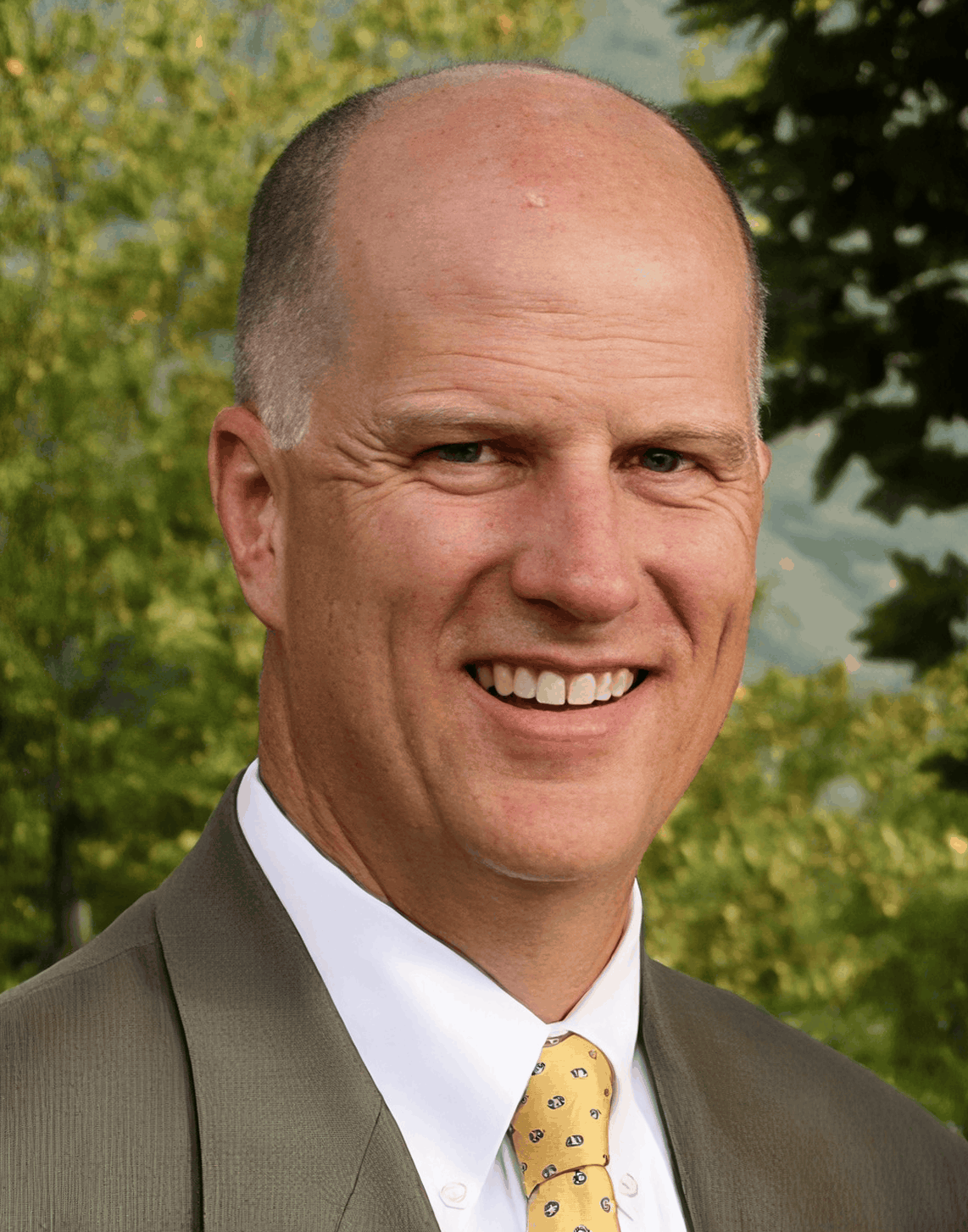
How Chris Williams Forgave the Drunk Driver Who Took His Family
The road dips beneath the freeway at the 20th East underpass in Salt Lake City. On the night of February 9, 2007, a family car came through it on the way home, a father driving, his wife beside him, three of their children in the back, a stop for ice cream still ahead. Then headlights appeared at freeway speeds, already across the median. The oncoming car clipped the front of the sedan, overcorrected, and struck the passenger side. In seconds, it was over. Chris Williams came to in the driver's seat and reached for his wife's pulse. Michelle, six months pregnant, was gone. So were nine-year-old Anna and Ben, just shy of his twelfth birthday. And as Chris looked at the overturned car up the road, he heard words he insists were not his own. Let it go.
In this episode of Why We Believe with host Nathan Gwilliam, Chris shares how those three words became the story of his life.
A Question Planted Two Years Earlier
In October 2005, President Gordon B. Hinckley told general conference the story of Victoria Ruvolo, a New York woman gravely injured when a teenager threw a frozen turkey through her windshield. At sentencing, she asked the court for leniency, then embraced the young man and told him to make something of his life. Chris sat listening with a growing sense of shame. His own first reaction to the story had been anger at the boy. Her reaction had been mercy.
One question followed Chris for months and would not leave him. Could I do that? He began examining his own life and found places where he had been slow to forgive and quick to judge. Again and again, he made a quiet commitment. If anything like that came to his family, he would let it go and trust Jesus Christ.
For-Forgiveness, Deciding Before the Moment Comes
Chris gave the practice a name: for-forgiveness, the opportunity to forgive before you need to forgive. It is a deliberate mental exercise. Picture a moment that could wound you, imagine the worst way you could respond, and commit not to take it. Then picture the best response, the one filled with grace and empathy, and commit to that road in advance.
He practiced on freeway drivers who cut him off and on hard conversations with his own children. The point, he teaches, is that decisions made in calm hold up in chaos. A choice rehearsed with the Savior beforehand does not have to be invented in the worst moment of your life.
By the time the crash came, the decision was already made. That is why the words in the wreckage carried such weight. Let it go was not new counsel. It was the answer to two years of preparation.
The First Question in the Emergency Room
Taped to a backboard, not yet knowing the extent of his own injuries, Chris was told the other driver was a 17-year-old boy who had been drinking. His response went beyond what he calls his natural capacity. He asked if the boy was okay. Then he asked that the young man's name be placed on the temple prayer roll, so that members of The Church of Jesus Christ of Latter-day Saints would pray for him in the temples.
Chris describes what filled him in that moment as the Savior's love for that specific boy, a love so far beyond his own that it stands today as one of the seminal witnesses of his life. Within days of the crash, he stated publicly that he had forgiven the driver, and he has stood by it since.
When the case reached court, prosecutors sought to try the teenager as an adult, facing up to 25 years in prison. Asked for his preference, Chris requested what was best for the young man. The court certified the boy as a juvenile. Chris took only the modest insurance offered and filed no lawsuit, determined that his family's tragedy would carry no trace of retribution.
The Most Gloriously Selfish Thing He Ever Did
Chris calls forgiving that night one of the most gloriously selfish things he has ever done, and he means the phrase carefully. Forgiveness did not erase consequences. It did not excuse sin, which only God can forgive, and it did not cancel the work of the courts. What it did was free Chris. He was, in his words, the immediate beneficiary of his own mercy.
He also refuses to stand between a Father and His child. Demanding pain as the price of mercy would have placed Chris where only God belongs, and scripture warns that the greater sin rests on the one who will not forgive. Letting go meant focusing on what he could control and giving the rest to heaven.
Years later, in a detention facility, the young man wept through his prepared questions and finally asked the one that mattered. After everything he had done to the family, how could Chris forgive him? Chris answered that whatever the boy had seen or heard or read about him regarding forgiveness was the Savior Jesus Christ working through him. Their contact since, Chris says, has helped the young man begin his own relationship with Christ.
The Hardest Person to Forgive
The forgiveness that took the longest was not for the boy. It was for himself. In the months and years after the crash, Chris tormented himself with questions no father can answer. Why is there no prompting to leave five seconds later? Why no warning to take a different road? The spiral deepened until a friend observed that Chris was quick to treat others with compassion and slow to offer himself the same, then asked what Chris would say if a grieving father brought this burden to him as a bishop.
Chris knew the answer instantly. Be kind to yourself. Let it go. Hearing his own counsel turned back on him exposed the imbalance, and forgiving himself became its own act of faith, a recommitment made over several weeks. Refusing forgiveness, even toward yourself, is refusing what the Atonement of Jesus Christ freely offers.
Why Chris Believes
Asked the show's signature question, Chris answers that his list of certainties has grown shorter with age, and one item sits unmoved at the top. He has a witness that he has a Savior, Jesus Christ, that He lives, that He loves each of us, and that He wants us to come home.
His story leaves listeners with truths worth keeping. Forgiveness decided in advance creates space for Christ's power to work when crisis comes. Standing between God and His child to demand retribution carries the greater sin. Forgiving yourself is an act of faith in the Atonement rather than an indulgence. Releasing what you cannot control invites the Savior's enabling power to help you bear what remains. And seeing others as Heavenly Father sees them preserves relationships for eternity.
The story became the book Let It Go and the 2015 film Just Let Go, and it continues to travel far beyond Utah. It began with a conference talk, a question that would not leave, and a man willing to decide early whose disciple he would be.
Thank you for reading this week's blog post inspired by the Why We Believe show. If you are interested in more stories like this, you can check out our other blog posts and episodes at WhyWeBelieve.com, or listen on Apple Podcasts and Spotify.
Follow the Why We Believe Show
WhyWeBelieve.com | YouTube: @WhyWeBelieveShow | LinkedIn: @Why-We-Believe-Show | Instagram: @WhyWeBelievePodcast
Follow Nathan Gwilliam
LinkedIn: @NathanGwilliam | Website: PodUp.com | Podcasts - Why We Believe: WhyWeBelieve.com | Podcasting Secrets: PodcastingSecrets.com
Follow Chris Williams
LinkedIn: @WilliamsLeadership | Book: Let It Go | Instagram: @williamscs